What is Link building in Off-page SEO? The practice of acquiring hyperlinks from external websites that point back to your own site. These backlinks act like digital endorsements, signaling to search engines that your content is trustworthy, relevant, and valuable. In simple terms, when respected websites link to your pages, Google interprets those references as confidence signals, which can improve your search engine rankings and overall website authority.
Link building is one of the most important parts of any modern off-page SEO strategy because it helps search engines understand how credible your website is compared to competitors. Beyond rankings, quality backlinks can also drive referral traffic, strengthen brand visibility, and build trust with new audiences.
However, successful link building is not about collecting random links. It requires earning relevant, high-quality backlinks from authoritative websites through ethical strategies such as guest posting, digital PR, outreach, and valuable content creation.
- Why Link Building Still Matters for Rankings in 2026
- How Search Engines Evaluate Backlinks
- The Difference Between High-Quality and Low-Quality Backlinks
- Core Types of Link Building Strategies
- Guest Posting for Authority Backlinks
- Broken Link Building Strategy
- Skyscraper Technique Explained
- Digital PR and Data-Driven Link Building
- Resource Page and Niche Edit Link Building
- Advanced Link Acquisition Tactics
- How to Create Linkable Assets That Naturally Earn Backlinks
- Link Building Outreach That Gets Replies
- Link Building Metrics That Actually Matter
- Link Building Mistakes to Avoid
- How to Measure Link Building Success
- Best Tools for Link Building Campaigns
- Future of Link Building: AI, Search Generative Experience & Entity SEO
- Final Thoughts on Link Building in SEO
- FAQs
Why Link Building Still Matters for Rankings in 2026
Despite constant algorithm updates, link building still matters because backlinks remain among the clearest ranking signals search engines use. Google’s systems continue to analyze authoritative backlinks, relevant backlinks, and contextual mentions when deciding which pages deserve top SERP rankings.
Search engines may have become smarter, yet the core logic remains unchanged: if respected websites cite your content, your content likely deserves attention. This explains the ongoing importance of off-page SEO in modern digital marketing.
In 2026, backlinks do more than help rankings. They support AI Overviews optimization, improve Entity SEO, and strengthen your presence in search generative experience results. Search engines increasingly connect entities, brands, and topics across the web.
A website consistently earning mentions and links develops stronger brand authority, broader topical authority, and better LLM SEO visibility. This evolution has made modern off-page SEO strategy more sophisticated than ever.
How Search Engines Evaluate Backlinks
Search engines do not treat every backlink equally. They evaluate the authority of the linking site, the relevance of the linking page, the placement of the link, the surrounding text, and the naturalness of the anchor.
A backlink from a respected industry publication usually carries far more value than dozens of links from unrelated low-quality blogs. This is central to understanding how backlinks affect rankings in competitive industries.
The table below summarizes the main backlink evaluation factors:
| Backlink Factor | Why It Matters |
| Domain authority | Evaluates strength of the linking page |
| Page authority | Evaluates the strength of the linking page |
| Anchor text optimization | Helps search engines understand page relevance |
| Referral domains | Diverse referring domains improve trust |
| Editorial backlinks | Contextual links carry stronger authority |
| Dofollow backlinks | Pass ranking equity directly |
| Nofollow backlinks | May support trust and traffic indirectly |
The Difference Between High-Quality and Low-Quality Backlinks
High-quality backlinks come from trusted, relevant, and authoritative websites. They appear naturally inside useful content and provide contextual value to readers.
These are often Natural backlinks, Editorial backlinks, or earned placements from respected publishers. Search engines reward such links because they reflect genuine endorsements. This is the backbone of safe link-building techniques.
Low-quality backlinks usually come from spam sites, irrelevant directories, thin content pages, or manipulative link schemes. These are often considered Toxic backlinks because they can harm trust and trigger algorithmic suppression.
If your Link velocity appears unnatural or your backlink profile becomes overloaded with spammy links, rankings may decline rather than improve. Strong Off-page SEO ranking factors prioritize quality over quantity.
Core Types of Link Building Strategies
There are several major forms of Link building, each suited to different business models and industries. Some campaigns focus on earned editorial links through Content marketing, while others rely on manual outreach, partnerships, or digital PR. The most sustainable campaigns combine multiple methods because search engines reward natural diversity.
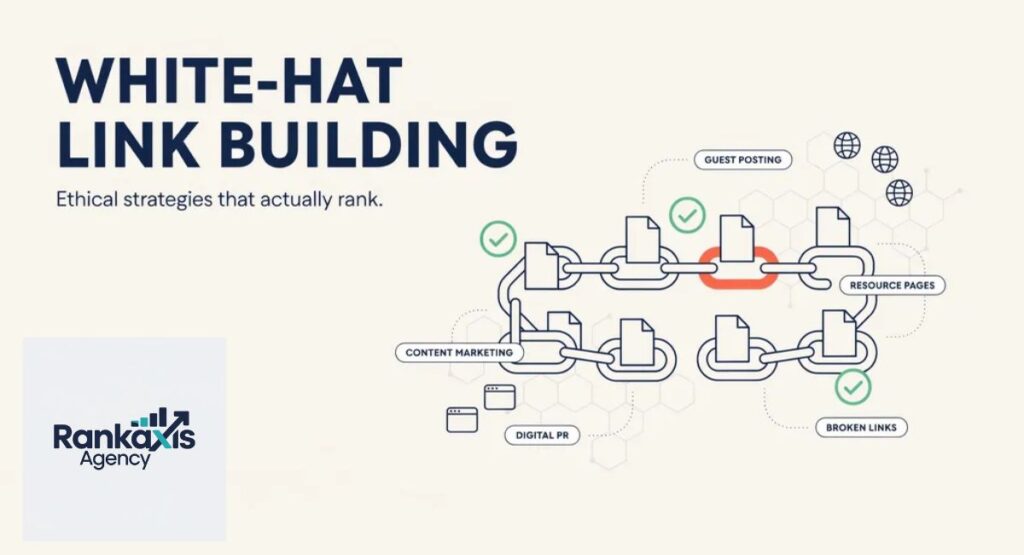
The best-performing brands rarely depend on a single tactic. Instead, they combine Guest posting, Broken link building, Link earning, Brand mentions, Social media marketing, and Influencer marketing into a complete off-page SEO strategy. This diversified approach helps build a backlink profile that appears natural and resilient against algorithm changes.
Guest Posting for Authority Backlinks
Guest posting remains one of the most effective methods for earning strong backlinks when done correctly. It involves writing content for another website in exchange for a contextual backlink. High-quality Guest blogging works best when the host site is relevant to your niche and has genuine traffic, editorial standards, and trust.
Modern guest posting is not about mass submissions. It is about building relationships with quality publishers and contributing real value. A well-placed guest post can improve brand reputation, increase referral traffic, support thought leadership, and strengthen Industry authority while helping your backlink profile grow naturally.
Broken Link Building Strategy
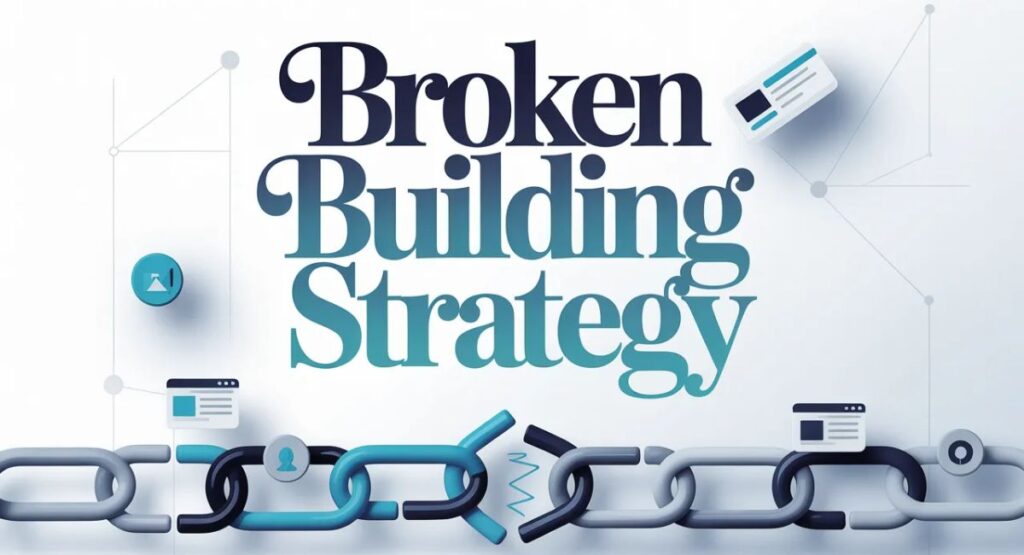
Broken link building is the practice of finding broken outbound links on other websites and suggesting your own relevant content as a replacement. Website owners appreciate this because you help improve their user experience while earning a backlink in return. It remains one of the most efficient link-building strategies for white-hat SEO.
The strategy works best when you identify resource pages or blog posts linking to outdated or removed content. You then create better replacement content and contact the webmaster with a helpful suggestion. This method combines value-first outreach with scalable Link prospecting, making it highly effective in competitive niches.
Skyscraper Technique Explained
The Skyscraper Technique involves finding top-performing content in your niche, creating something significantly better, and promoting it to sites linking to the original. It remains powerful because publishers naturally prefer linking to the most complete and current resource available.
However, many campaigns fail because marketers improve content only slightly. To win, your version must be clearly superior. Better data, fresher examples, deeper research, stronger design, and superior usability are what make skyscraper campaigns successful in modern Content promotion.
Digital PR and Data-Driven Link Building
Digital PR combines public relations with SEO to earn links from journalists, publications, and media outlets. It often uses proprietary data, studies, trends, surveys, or controversial insights to generate press coverage. This is one of the fastest ways to earn premium Authoritative backlinks.
Because journalists seek sources, brands that publish data-rich campaigns can earn links at scale. These campaigns strengthen Brand authority, improve Digital footprint, and produce some of the strongest Authority signals available in SEO today.
Resource Page and Niche Edit Link Building
Resource page link building targets curated pages that list useful resources within a niche. If your content genuinely adds value, these placements can provide relevant editorial backlinks that drive rankings and traffic. They often work particularly well for educational and evergreen content.
Niche edits involve adding your link to existing content on established websites. When done ethically and contextually, niche edits can accelerate Backlink acquisition. However, poor-quality placements on irrelevant websites create risk, so strict quality control is essential.
Advanced Link Acquisition Tactics
Advanced campaigns often use Unlinked brand mentions, podcast outreach, partnership pages, expert roundups, and digital collaborations to earn links. These methods work because they leverage relationships and existing brand awareness rather than cold outreach alone.
Brands with stronger Online presence and broader recognition usually find advanced link acquisition easier. As your visibility grows, Brand mentions, interviews, and collaboration requests begin generating links passively, compounding authority over time.
How to Create Linkable Assets That Naturally Earn Backlinks
Linkable assets are content pieces specifically designed to attract backlinks naturally. Examples include original studies, industry statistics, calculators, templates, tools, ultimate guides, and visual resources. These assets make Link earning much easier because people link to them voluntarily.
The strongest SEO content assets combine usefulness with uniqueness. If your content offers data, tools, or insights unavailable elsewhere, it becomes a natural citation target. This supports Evergreen content, improves Semantic SEO, and increases long-term passive backlink growth.
Link Building Outreach That Gets Replies
Strong Outreach for backlinks starts with relevance and personalization. Generic templates rarely work because site owners receive countless spam emails. Effective Link outreach shows you understand the prospect’s audience and explains exactly why your content improves their page.
The highest-converting outreach messages are short, specific, and genuinely helpful. Focus on relationship-building rather than immediate transactions. Better relationships lead to more placements, partnerships, and future collaboration opportunities.
Link Building Metrics That Actually Matter
Many SEOs obsess over vanity metrics while ignoring the numbers that truly matter. Strong campaigns evaluate backlink quality based on authority, relevance, referral traffic, ranking improvements, and conversion potential rather than just raw DR or DA.
Use the following table when assessing backlink opportunities:
| Metric | Why It Matters |
| Domain authority | Measures overall site strength |
| Traffic quality | Indicates real audience value |
| Relevance signals | Shows topical alignment |
| Referral domains | Reflects backlink diversity |
| Search visibility | Reveals organic presence |
Link Building Mistakes to Avoid
The most common mistake is prioritizing quantity over quality. Buying hundreds of low-grade links may create short-term movement, yet it often damages long-term performance. Search engines increasingly detect manipulation patterns and devalue artificial link schemes.
Other mistakes include overusing exact-match anchors, building links too quickly, ignoring topical relevance, and neglecting Trustworthiness signals. Sustainable Off-page SEO techniques always prioritize natural growth and editorial quality.
How to Measure Link Building Success
You should not judge success by backlink count alone. Effective campaigns measure ranking gains, traffic growth, referral traffic, assisted conversions, and authority improvements. The real goal is business growth, not vanity metrics.
A successful campaign usually improves Organic rankings, boosts visibility for commercial keywords, and increases qualified traffic over time. Strong link building should support measurable business outcomes, not just prettier SEO dashboards.
Best Tools for Link Building Campaigns
Professional link builders rely on tools for prospecting, analysis, and outreach. Platforms like Ahrefs and Semrush help with backlink audits and competitor analysis, while BuzzStream and Pitchbox streamline outreach operations.
These tools improve campaign efficiency, yet software alone does not create results. Strategy, relevance, and relationship-building remain more important than automation in modern Backlink building.
Future of Link Building: AI, Search Generative Experience & Entity SEO
The future of Link building extends beyond backlinks alone. Search engines increasingly analyze Brand mentions, entity relationships, topical depth, and web-wide reputation signals. This shift is driving growth in Generative Engine Optimization, GEO SEO, and LLM SEO strategies.
Backlinks will remain crucial, yet brands that combine backlinks with stronger EEAT signals, broader Community building, and better entity recognition will dominate future search. In the years ahead, the smartest SEOs will treat link building as part of a wider authority-building system rather than an isolated tactic.
Final Thoughts on Link Building in SEO
Modern Link building is no longer about chasing random backlinks. It is about building digital authority, earning trust, and creating content worthy of citation. The brands that win in 2026 will combine technical SEO, strong content, and strategic Off-page SEO into one integrated growth engine.
If you approach Off-page SEO with patience, relevance, and quality in mind, your backlink profile becomes a durable competitive advantage. That is how lasting rankings are built.
FAQs
Is link building on-page or off-page SEO?
Link building is part of off-page SEO because it involves earning backlinks from external websites rather than optimizing elements on your own site.
What is link building in SEO, with an example?
Link building in SEO means getting another website to link to your content, such as when an industry blog references your guide and includes a backlink to your page.
Is SEO dead or evolving in 2026?
SEO is not dead in 2026; it is evolving with AI search, entity-based ranking systems, and more advanced user-intent analysis.
Is link building important for SEO?
Yes, link building remains important because high-quality backlinks help improve authority, trust, and search rankings.
What should you avoid in link building?
Avoid buying spammy links, over-optimizing anchor text, using irrelevant websites, and participating in manipulative link schemes.

Welcome to Rank Axis Agency, I’m Abdul Malik, SEO & Content Writing, Digital PR Strategist | Guest Posting, Link Building, Niche Edits & Press Releases | Helping Brands Boost Authority & Organic Traffic!