Building a new website is exciting, but learning how to build backlinks for a new website is where real SEO growth begins. Without strong backlink acquisition, even high-quality content struggles to perform in search rankings. Backlinks work like digital trust signals that show search engines your site deserves visibility.
For new websites, building a strong backlink profile early is critical because it helps establish credibility with Google Search and improves indexing speed. When authoritative sites create external links pointing to your pages, your domain gains authority and relevance in competitive niches.
At the same time, quality matters more than quantity. A strategic mix of outreach, content marketing, and relationship-building helps you earn meaningful links rather than spammy ones.
Over time, this strengthens your off-page SEO, improves trust signals, and positions your website for long-term organic growth in both traditional search engines and AI-driven discovery systems.
- What Are Backlinks and Why They Still Matter in 2026
- How Google AI Overviews and LLMs Evaluate Backlinks Today
- Competitor Backlink Research and Opportunity Analysis
- Create Linkable Assets That Naturally Earn Backlinks
- Guest Posting and Digital PR for Authority Building
- Advanced Link Building Techniques That Still Work in 2026
- Local SEO, Entity SEO, and Brand Authority Signals
- Anchor Text, Link Relevance, and Backlink Quality Best Practices
- How to Track, Measure, and Scale Your Backlink Strategy
- The Future of Link Building — SEO, GEO, AI Overviews, and LLM Optimization
- Conclusion
- FAQs:
What Are Backlinks and Why They Still Matter in 2026
Backlinks are simply external links from one website to another. In SEO, they act as digital votes of confidence. When trusted websites link to your content, they send strong authority signals and improve your search rankings across competitive USA keywords.
However, backlinks in 2026 are more than ranking signals. They are also trust signals that help systems like Google Search and AI Overviews understand your brand identity. Strong backlinks improve referral traffic, strengthen your domain authority, and support long-term visibility in semantic search environments.
A modern backlink system includes many layers:
| Backlink Type | SEO Impact |
| Editorial backlinks | High trust signals |
| Guest blogging links | Contextual relevance |
| Resource page backlinks | Stable authority |
| Digital PR mentions | Brand visibility |
| Niche edits | Fast authority gain |
This is why platforms like Ahrefs, Moz, and Semrush still rely heavily on backlink data when evaluating websites.
How Google AI Overviews and LLMs Evaluate Backlinks Today
Modern search systems no longer treat backlinks as simple URLs. Instead, Google AI Overviews, ChatGPT, Gemini, and Perplexity AI analyze meaning, context, and relationships between websites. They look at how your brand appears in different content ecosystems.
For example, if your site is mentioned alongside trusted brands, it improves your knowledge graph association. This strengthens semantic search understanding and increases your visibility in AI-generated answers. These systems also evaluate E-E-A-T, ensuring your content is credible, experienced, and trustworthy.
In simple terms, backlinks now act like identity markers in the digital world. They help AI systems decide whether your content deserves to be shown in answers or ignored.
Competitor Backlink Research and Opportunity Analysis
Competitor research is one of the fastest ways to improve your backlink profile. By analyzing competitors, you can discover which referring domains are linking to them and why those links exist.
Tools like Ahrefs, Semrush, and Moz help you identify gaps in your strategy. You can also evaluate trust flow, citation flow, and anchor patterns to understand what drives success in your niche.
A simple breakdown looks like this:
| Metric | Meaning |
| Domain Authority | Overall site strength |
| Page Authority | Page-level ranking power |
| Trust Flow | Link credibility score |
| Citation Flow | Link quantity strength |
This analysis helps you plan smarter outreach, improve your off-page SEO, and identify high-value backlink acquisition opportunities.
Create Linkable Assets That Naturally Earn Backlinks
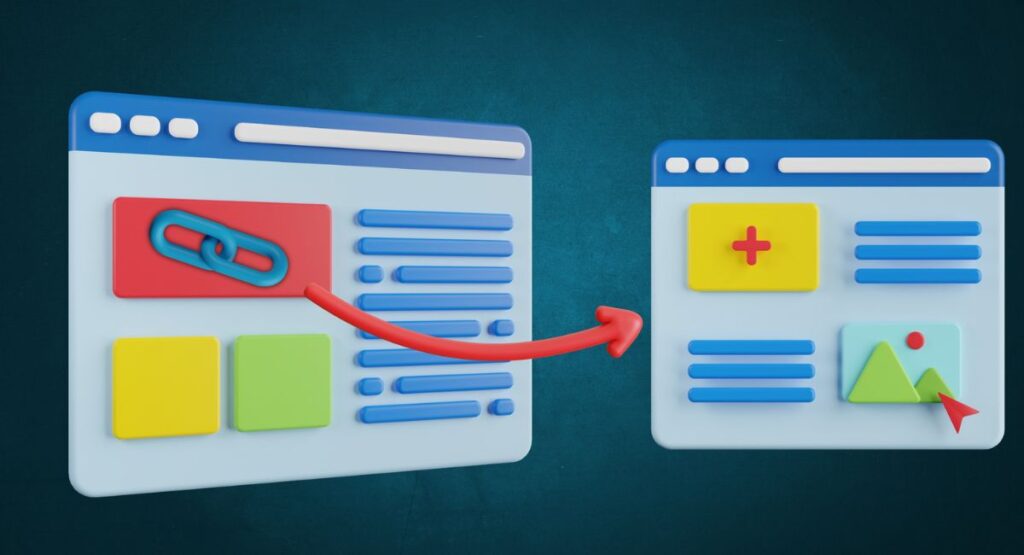
Linkable assets are the foundation of modern SEO success. These are pages that naturally attract inbound links because they offer value, originality, or data. Examples include research studies, tools, and in-depth guides.
When content is useful, it earns editorial mentions across blogs, forums, and social platforms like Reddit, LinkedIn, YouTube, and podcasts. This builds long-term authority without constant outreach.
Strong linkable assets improve your visibility across AI systems because they are frequently cited in structured content. They also strengthen your position in search intent matching systems.
Guest Posting and Digital PR for Authority Building
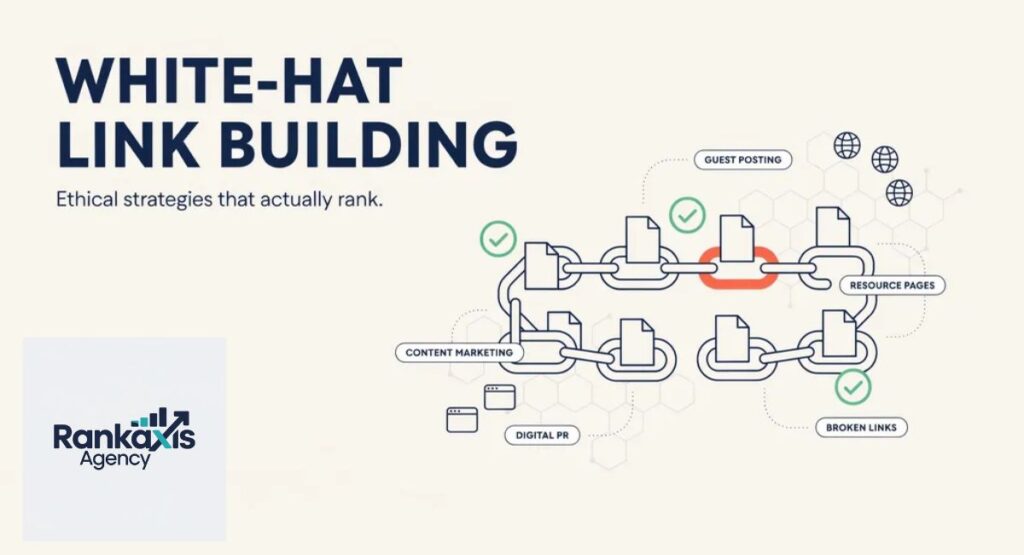
Guest posting is still powerful, but it has evolved into digital PR. Instead of spammy posts, brands now focus on meaningful collaborations with publishers and journalists.
Platforms like HARO and Featured.com help connect brands with journalists. When your insights are published, you gain strong earned media, which improves both authority and trust.
Modern guest posting focuses on relevance, not volume. A single placement on a high-authority site can significantly improve your link equity and brand reputation in Google Search.
Advanced Link Building Techniques That Still Work in 2026
Advanced link building is about precision. Techniques like broken link building, link reclamation, and niche edits still deliver strong results when used correctly.
For example, broken link building helps you replace dead links with your content. Meanwhile, unlinked brand mentions can be turned into powerful backlinks through outreach.
These methods improve your backlink profile and help you gain authority without relying on paid links. They also strengthen your position in competitive USA SERPs.
Local SEO, Entity SEO, and Brand Authority Signals
Local SEO is now deeply connected with entity-based optimization. Google uses knowledge graph data to understand brand identity and location relevance.
A complete entity SEO strategy includes Google Business Profile optimization, consistent NAP citations, and local backlinks. These signals improve visibility in both traditional search and AI-driven platforms.
Strong local authority also improves referral traffic and helps search engines connect your brand to specific geographic queries.
Anchor Text, Link Relevance, and Backlink Quality Best Practices
Anchor text is a critical ranking factor. If it is over-optimized, it can damage your site. If it is natural, it improves trust and relevance.
A healthy backlink profile includes a mix of branded anchors, partial-match anchors, and natural phrases. This balance improves authority signals and reduces spam risks.
Link relevance is equally important. A link from a related niche has more value than a random high-DA link because it aligns with search intent and improves contextual understanding.
How to Track, Measure, and Scale Your Backlink Strategy
Tracking backlinks is essential for long-term SEO success. Without measurement, even strong strategies fail to scale.
Tools like Semrush, Ahrefs, and Moz help you track referring domains, keyword movement, and link equity distribution. You can also measure how backlinks affect organic traffic and conversions.
Scaling requires consistency. You must monitor performance, remove toxic links, and continuously build new authority signals.
The Future of Link Building — SEO, GEO, AI Overviews, and LLM Optimization
The future of link building is driven by semantic search and AI understanding. Traditional SEO metrics are becoming less important compared to entity relevance and contextual authority.
In this new world, backlinks are not just ranking tools. They are training signals for AI systems that decide what content appears in answers across Google AI Overviews, ChatGPT, and Perplexity AI.
Brands that focus on authority, relevance, and multi-platform visibility will dominate future search rankings. The shift is clear. Link building is no longer about links. It is about building trust across the entire digital ecosystem.
Conclusion
How to build backlinks for a new website is no longer just an SEO tactic. They are a multi-layered authority system that influences Google Search, Google AI Overviews, ChatGPT, and other AI platforms.
To succeed, focus on off-page SEO, digital PR, and strong backlink acquisition strategies. Build assets that earn editorial mentions, strengthen your backlink profile, and improve referral traffic.
When you combine technical SEO with entity-driven authority building, you create long-term visibility across both search engines and AI systems.
FAQs:
How do I get backlinks for my new website?
You can earn backlinks through guest posting, digital PR, creating valuable content, and outreach to relevant websites in your niche.
Are backlinks still important in 2026?
Yes, backlinks remain a key ranking factor, but now they also influence AI systems like Google AI Overviews and LLM-based search.
Is buying backlinks illegal?
Buying backlinks is not illegal, but it violates Google’s guidelines and can lead to ranking penalties if detected.
Is it worth paying for a backlink checker?
Yes, tools like Ahrefs, Semrush, or Moz are worth it if you actively do SEO, as they help analyze competitors and track link quality.
Is SEO dead or evolving in 2026?
SEO is evolving, not dead. It now includes AI search, semantic understanding, and entity-based optimization beyond traditional keywords.

Welcome to Rank Axis Agency, I’m Abdul Malik, SEO & Content Writing, Digital PR Strategist | Guest Posting, Link Building, Niche Edits & Press Releases | Helping Brands Boost Authority & Organic Traffic!